Pedro Sánchez – Chairman
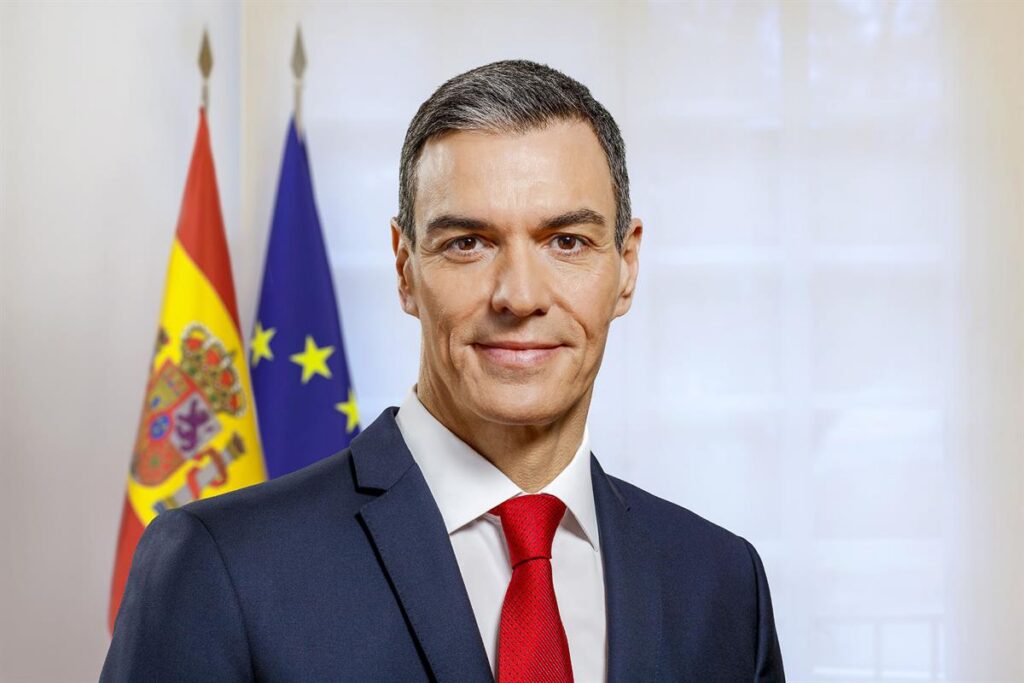
Pedro Sánchez has been President of the Government of Spain since June 2018. He holds a PhD in Economics and is the Secretary-General of the Spanish Socialist Workers’ Party (PSOE), which he joined in 1993. He also served as Secretary-General of the PSOE, Leader of the Opposition, and candidate for the Presidency of the Government between 2014 and 2016. Previously, he was a member of the Spanish Congress of Deputies for the Madrid constituency and a city councillor in the Madrid City Council.
Married and a father, Sánchez completed his secondary education at the Instituto Ramiro de Maeztu in Madrid, where he was a youth player for the Estudiantes basketball club. In 1995, he earned a degree in Economics and Business Administration from the Real Colegio Universitario María Cristina, a center affiliated to the Complutense University of Madrid.
He later pursued two postgraduate studies: a Master’s degree in EU Economics from the Free University of Brussels and a Diploma of Advanced Studies in European Economic and Monetary Integration from the Ortega y Gasset University Institute.
In 2012, Sánchez obtained his PhD in Economics from the Camilo José Cela University, where he also worked as a professor of Economics.
Before his academic career, he worked as an advisor in the European Parliament and was a member of the cabinet of the United Nations High Representative in Bosnia and Herzegovina.
Aloizio Mercadante
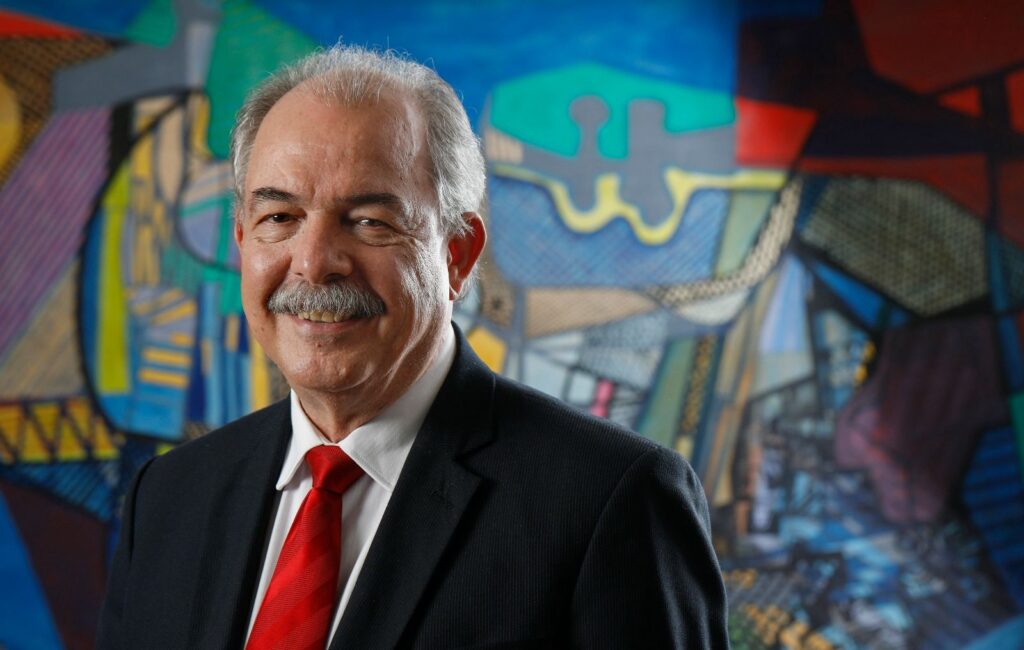
Aloizio Mercadante is President of National Bank of Economic and Social Development (BNDES) since January 2023.
BNDES acts as the main financial arm for the Brazilian state’s development strategy, using public and private capital to make viable structural projects, boost the productive transformation, reduce social and regional inequalities and speed up the transition to cleaner, more innovative and competitive economy.
The president of BNDES, Aloizio Mercadante, is an economist with a degree from the University of Sao Paulo (USP), with a masters in Economic Sciences and a doctorate in Economic Theory, both from Unicamp. He is a retired professor of Economics at Unicamp and collegiate professor at the Pontifical Catholic University of São Paulo (PUC-SP). He participated in the founding of the Workers’ Party and the Unified Workers’ Central (CUT). He served as a federal deputy for the PT for two terms (1991-1995 and 1999-2003), and was Luiz Inácio Lula da Silva’s vice-presidential candidate in 1994. He was the most voted-for senator in history, with 10.5 million votes, during the period from 2003 to 2011.
During the government of President Dilma Rousseff, he served as Minister of Education, Minister of Science, Technology and Innovation, and Chief of Staff to the President of the Republic. Mercadante also chaired the Perseu Abramo Foundation, the academic and public policy arm of the PT (Workers’ Party). Throughout his career, he participated in the coordination of nine presidential campaigns and coordinated the government program for President Lula’s victorious 2022 campaign.
Anya Schiffrin
Anya Schiffrin is a senior lecturer in the discipline of international and public affairs and faculty co-director of the Technology Policy and Innovation (TPI) concentration at Columbia University’s School of International and Public Affairs. She teaches courses on global media, innovation, and human rights. Dr. Schiffrin writes on journalism and development, investigative reporting in the global south and has published extensively over the last decade on the media in Africa. More recently she has become focused on solutions to the problem of online disinformation, earning her PhD (with honors) on the topic from the University of Navarra. She is the editor of Women in the Digital World, (Routledge, April 2023) Global Muckraking: 100 Years of Investigative Reporting from Around the World (New Press, 2014) and African Muckraking: 75 years of Investigative journalism from Africa (Jakana 2017) She is the editor of Media Capture: How Money, Digital Platforms and Governments Control the News (Columbia University Press 2021.)
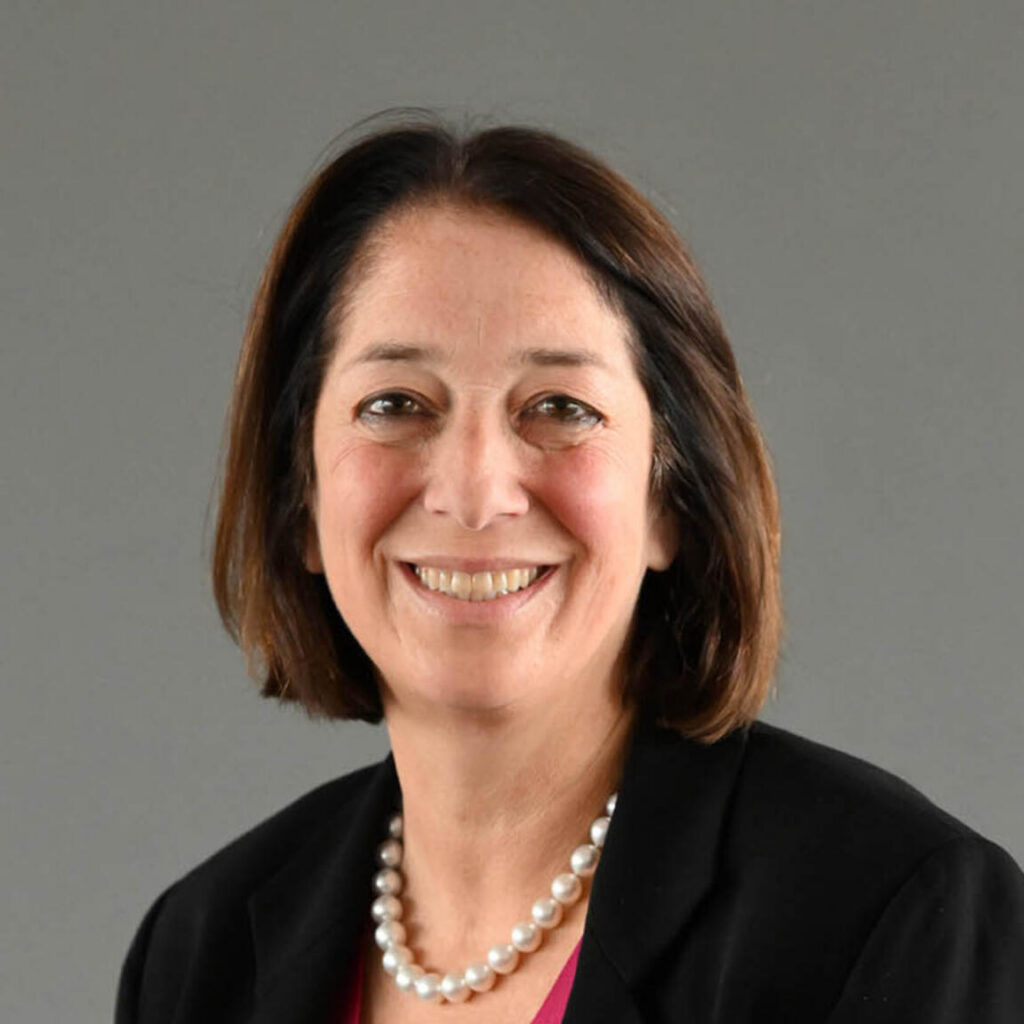
Daniel Fuentes
Daniel Fuentes Castro holds a PhD in Economics from Université Paris – Nanterre and a degree in Economics and Business Administration from the University of Vigo.
– He has taught at the Universities of Vigo, Zaragoza, and Paris – Sorbonne Nouvelle.
– He has worked in the research department of the Bank of France and was head of macroeconomic analysis at Analistas Financieros Internacionales.
– He served as deputy director of the Department of Economic Affairs at the Office of the Prime Minister of Spain and, subsequently, as director general of Economic Information.
He is the author of numerous academic works published in scientific journals such as Applied Economics, Applied Economic Letters, Ecological Economics, International Journal of Ecological Economics and Statistics, Revista de Economía Aplicada, and Información Comercial Española, among other publications and reports.
He has translated into Spanish, among others, the works of French economist Thomas Piketty, including Capital and Ideology (2019) and A Brief History of Equality (2021), published by Deusto. He is the co-author of the book Inequality in Spain (2024), published by Lengua de Trapo.
He is a regular contributor to El País, Cadena SER, and TVE.
He is currently a professor of Economic Theory at the University of Alcalá and director of KREAB Research
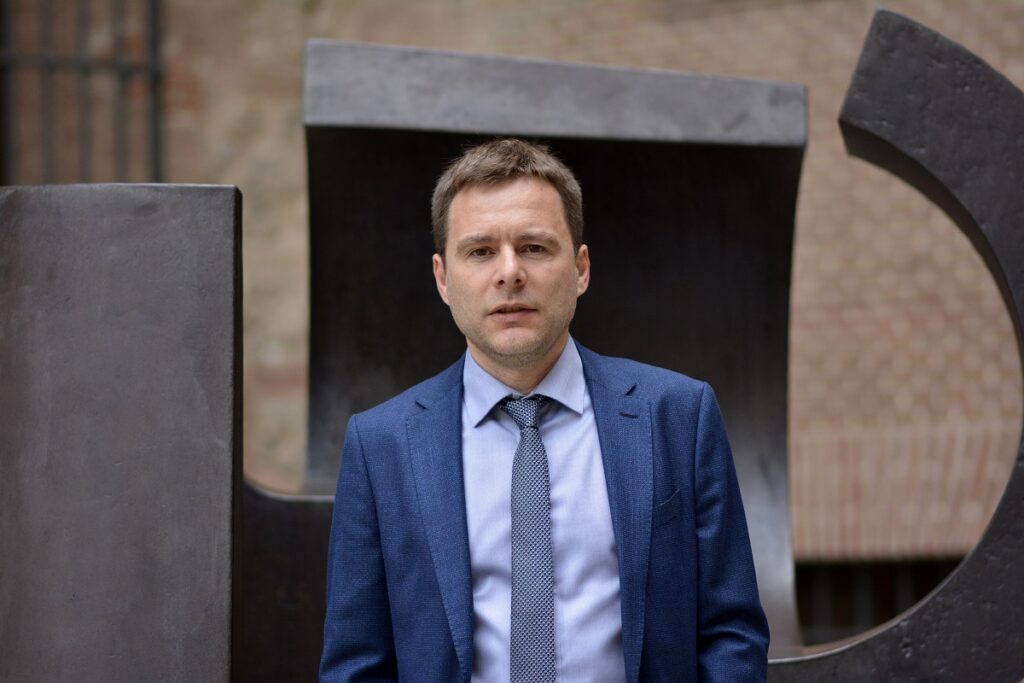
Jesús Rodríguez
Jesús Rodríguez has an extensive history of union, student, and professional activity, as well as party involvement in the Radical Civic Union.
He was President of the General Audit Office of the Nation, the highest external auditing body in Argentina.
He is Deputy Secretary of the official party institute, the Alem Foundation, and is the party representative to the Socialist International, where he was re-elected Vice President in 2022.
He was a member of the Board of Directors of CIPPEC. He is a member of the Executive Committee of CARI. He directed the Legislative Strengthening Program at FLACSO. He has served as an advisor to companies and unions, and as a consultant for the OAS, INTAL, ECLAC, and IDB.
He was Minister of Economy under President Raúl Alfonsín.
He has represented the City of Buenos Aires in the Honorable Chamber of Deputies of the Nation for four terms, and was elected to the National Constituent Assembly of 1994.
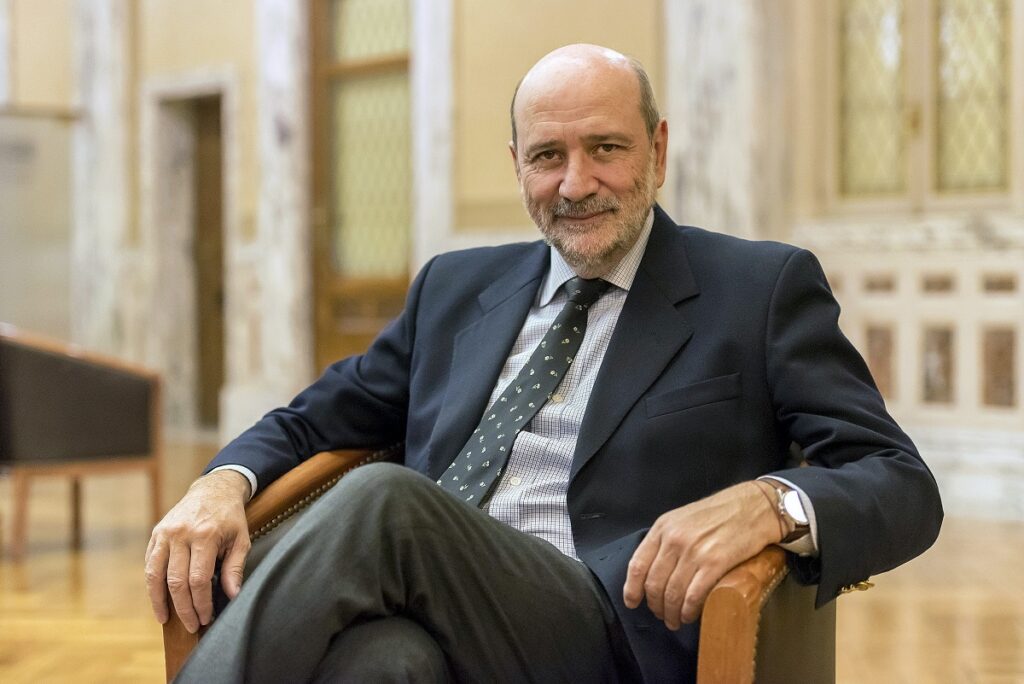
Manuel Castells
Professor Emeritus of Sociology, University of California-Berkeley. Chair of Communication Technology and Society, University of Southern California. Honorary Professor, Tsinghua University. Laureate of Holberg Prize, Balzan Price, Erasmus Medal. Order of Arts and Letters (France), Order of Lion of Finland, Order Santiago da Espada (Portugal), Order Gabriela Mistral (Chile), Order Carlos III (Spain). Fellow of the American Academy of Arts and Sciences, European Academy, British Academy, Mexican Academy, Spanish Royal Academy of Economics. Recipient of 27 Doctorates Honoris Causa, including from University of Cambridge, Royal Institute of Technology, Stockholm , Helsinki University of Technology, University of Leuven, Twente University, Universidad Nacional Autonoma de Mexico, Universidad de Guadalajara, Universidad de Buenos Aires, Universidad de Valencia, Universidad Autonoma de Barcelona. Author of 40 books, including the trilogy “The Information Age. Economy, Society and Culture” (1996-2000), translated in 21 languages. Most recent book “Digital Society” (2024) translated in Spanish, Italian, Portuguese, German, and Chinese. Former advisor to U.N. Secretary General (Kofi Annan) on Development and Information Technology. Minister of Universities of the Government of Spain (2020-2022).
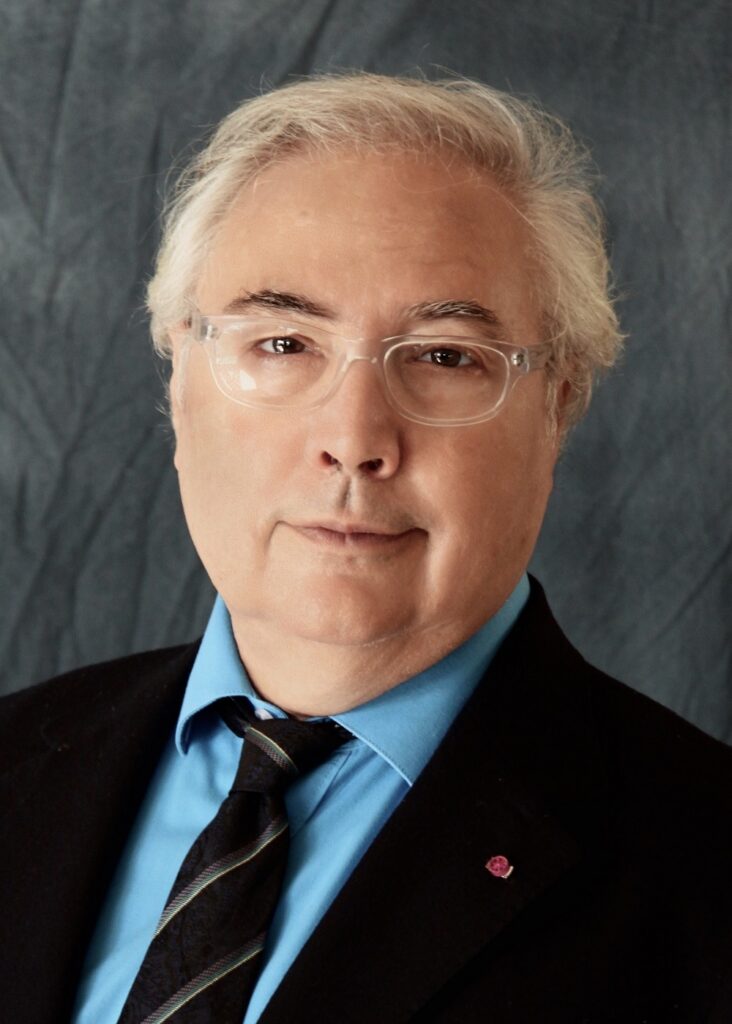
Ruchira Gupta
Ruchira Gupta is an international human rights leader whose work has strengthened democratic governance, rule of law, and global responses to trafficking in persons and gender-based violence for more than three decades.
Working across South Asia, Europe, and the United States, she bridges civil society, academia, and public institutions to advance accountability, survivor protection, and inclusive development. She has engaged in policy processes linked to the UN Protocol on Trafficking in Persons and the UN Global Plan of Action, testified before the United States Senate, and provided expert recommendations to the Parliament of India.
As Founder and President of Apne Aap Women Worldwide, she has built an internationally recognized model integrating legal reform, education access, and survivor leadership into systems-level prevention. She serves on international advisory boards advancing gender equality and democratic accountability.
A Senior Fellow at New York University, she teaches on migration and governance. Her award-winning books are widely taught in schools and universities.
She is a recipient of France’s Ordre National du Mérite, the Clinton Global Citizen Award, and an Emmy for investigative journalism. Her work is informed by traditions of nonviolent civic action and feminist thought, drawing intellectual lineage from Mahatma Gandhi, Simone de Beauvoir, and collaborations with Gloria Steinem.
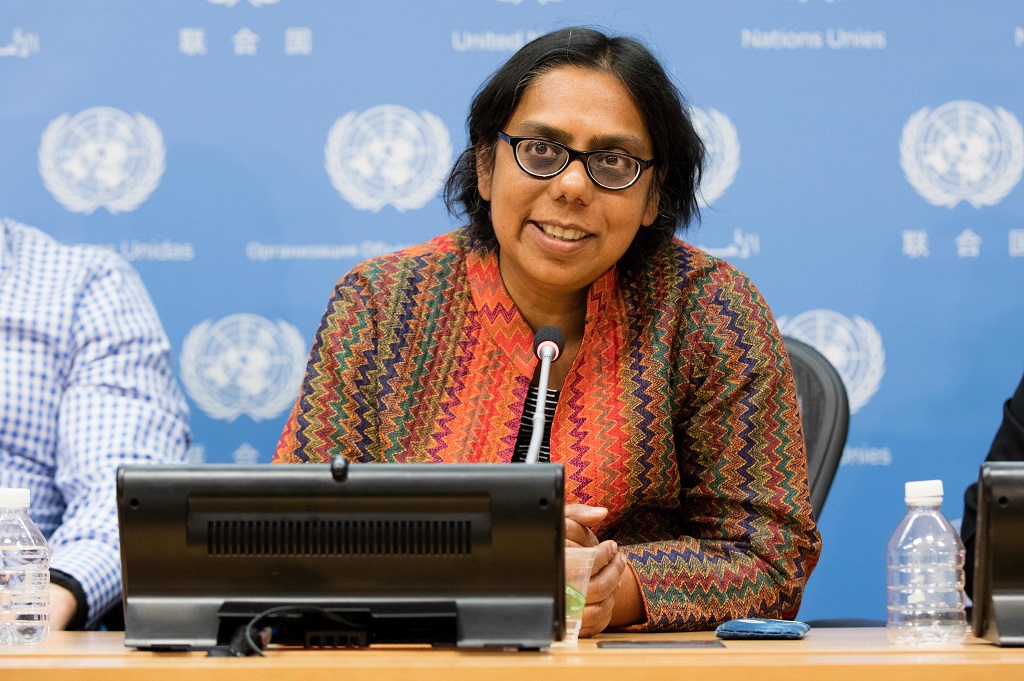
Sergio Ramírez
Winner of the 2017 Cervantes Prize. Short story writer, novelist, essayist, and columnist. He has received numerous international awards for works such as Divine Punishment, A Masked Ball, Margarita, How Beautiful the Sea Is (Alfaguara Prize 1998), Sara, and, more recently, The Golden Horse (Mario Vargas Llosa Biennial Novel Prize 2025). In 2004, he founded the online magazine Carátula. Since 2013, he has presided over the Centroamérica Cuenta Festival, the most important literary event in the region, with the aim of contributing to the promotion and dissemination of Ibero-American literature from Central America. He has been a visiting professor of literature at the University of California, Los Angeles (UCLA), Harvard University, and Princeton University
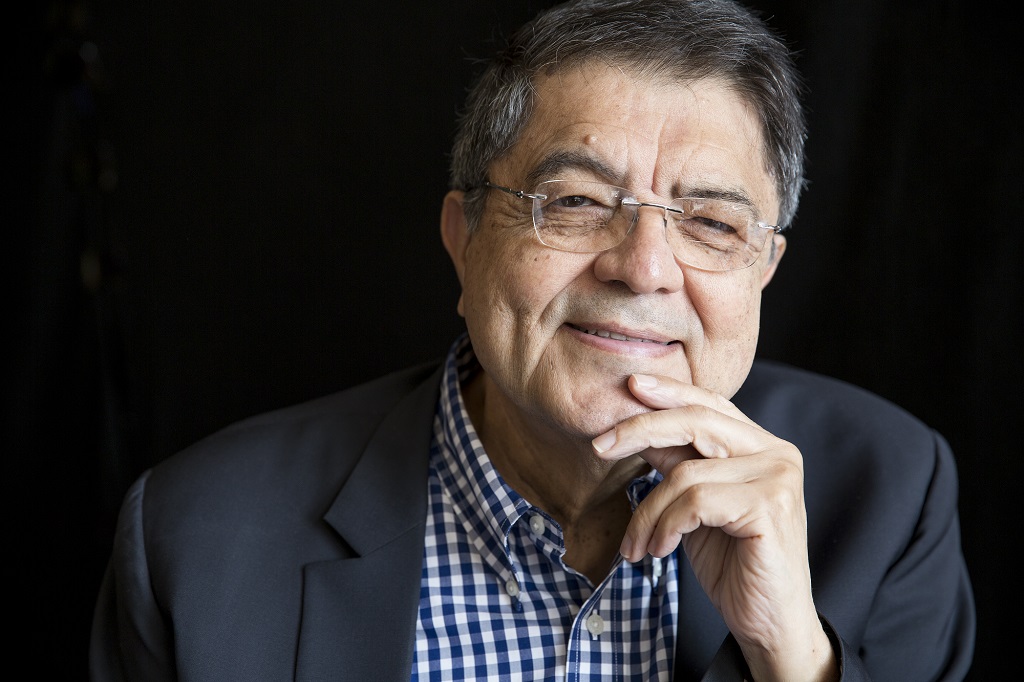
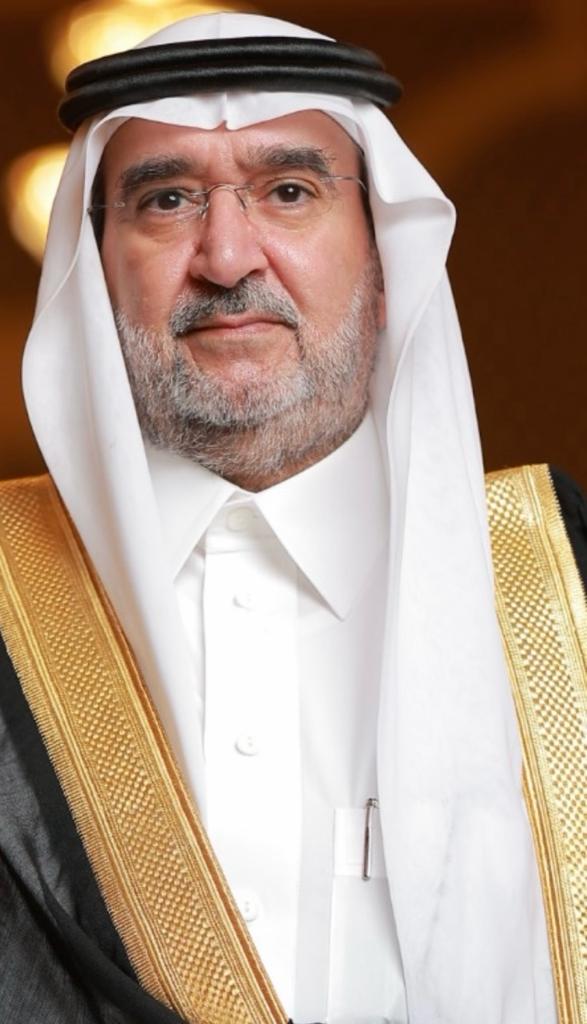
Abdulaziz Sager
Dr. Abdulaziz Sager – A Saudi strategic expert specializing in international politics and
regional security issues, he is the Founder and Chairman of the Gulf Research Center.
Dr. Sager has also been a visiting professor at a number of universities, and member of
various councils, advisory and academic committees, institutes and international research centers. He participates in international and regional conferences that address issues pertaining to the Gulf region. Notably, he has authored and edited numerous
publications and has many articles in local and international newspapers related to Gulf
affairs and regional issues, and he frequently contributes to major international media outlets. He is also the editor-in-chief of «Araa» a monthly Arabic-language magazine
focused on Gulf affairs and is the editor-in-chief of «The Gulf Yearbook.» Dr. Sager holds a PhD in politics and international relations from Lancaster University.